
Ontario G1 Practice Test in Spanish – 50 Free Questions

Free G1 Practice Test in Spanish — Built for Spanish-Speaking Drivers in Ontario
Ontario’s Spanish-speaking drivers — including Toronto’s Latin American community — deserve study materials in the language they think in. If Spanish is your first language, working through English-only prep materials can slow you down when what really matters is learning the signs and the rules. That’s why we built this free G1 practice test in Spanish: so you can focus on driving knowledge, not on translation.
This is an unofficial practice test for study purposes and is not affiliated with the Ontario Ministry of Transportation or DriveTest.
The interactive test above contains 50 practice questions using Ontario road signs, fully translated into Spanish. Study each sign, choose your answer, and get instant green/red feedback. Aim to score 90% or higher in practice before test day.
Once you’re comfortable with the signs, don’t forget the second half of the exam — our full 200-question G1 practice test covers the rules of the road as well.

What Is on the Ontario G1 Test?
The G1 knowledge test is a computer-based, multiple-choice exam taken at a DriveTest centre. It is not timed, and you receive your result before you leave. Here is the official format:
| Section | Questions | Score needed to pass |
|---|---|---|
| Road signs | 20 | 16/20 (80%) |
| Rules of the road | 20 | 16/20 (80%) |
Here’s the part most people underestimate: you must pass both sections independently. A perfect score on road signs won’t compensate for a weak rules section. That’s why this page focuses on signs — pair it with our 200-question G1 practice test to cover the rules of the road too.
How to Use This Spanish G1 Practice Test
- Look carefully at each sign image. Every question shows an Ontario traffic sign in the same style you will see at DriveTest.
- Click the answer you think is correct. A green highlight means you got it right; if you are wrong, your choice turns red and the correct answer turns green.
- Use “Siguiente pregunta” to move forward. You can also press “Enviar el test” at any time to see your results early.
- Review your score report: total questions, attempted, correct, wrong, percentage, and a pass/fail verdict (80% to pass).
- Retake until you score 90%+. Hit “Repetir el test” and run it again — repetition is what builds sign recognition.
5 Study Tips to Pass Your G1 Test on the First Try
- Study the handbook alongside these questions. The MTO’s official handbook is the source material for the knowledge test, so read it together with this practice test to match the vocabulary you’ll face on exam day. For offline review, you can also download our free G1 questions and answers PDF.
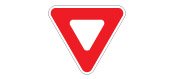
- Learn signs in families, not one by one. Regulatory signs (red circles and octagons, like stop and yield), warning signs (yellow diamonds, like curves and slippery roads), and information signs (green and blue) each follow visual patterns. Once you know the family, half the question is already answered.
- Watch for “look-alike” pairs. The yield sign vs. the stop-ahead sign, the divided-highway-begins vs. divided-highway-ends signs, and the various no-turn signs are classic traps. Our test includes all of them.
- Do not ignore the rules section. Many test takers ace the signs and stumble on rules about demerit points, blood-alcohol limits, and G1 restrictions (no 400-series highways, no driving between midnight and 5 a.m.). Cover both halves.
- Simulate test day. Sit somewhere quiet, put your phone away, and run through all 50 questions without notes — the testing room doesn’t allow study materials or electronics.

How Spanish Speakers Can Pass the Ontario G1 Test
Spanish speakers are one of Ontario’s most diverse newcomer communities, with roots in Mexico, Colombia, Venezuela, Peru, Ecuador, El Salvador, and Spain itself. Concentrated along St. Clair West and around Kensington Market in Toronto, with growing numbers in Mississauga, Brampton, and Ottawa, they share a language but bring very different driving backgrounds. A driver from Madrid and a driver from Bogotá learned opposite lessons about how traffic works. The G1 test, however, asks about only one place: Ontario. Sorting out which of your old habits help and which ones hurt is the core of good preparation.
Start with what transfers. Spain and Latin America drive on the right and use the metric system, so the basic geometry of Ontario roads and speed limits in kilometres per hour will feel natural. The trouble starts with the rules that look familiar but are not. Right turns on red lights are the most famous example: prohibited in Spain and in most of Latin America, they are legal in Ontario after a complete stop when the way is clear. This single difference appears in test questions from several angles, and answering with the rule from home is one of the most common mistakes Spanish speakers make. Four-way stops are another. Rare across the Spanish-speaking world, they are standard in Ontario suburbs with an absolute rule: first to stop goes first, and when two vehicles arrive together, the one on the right goes first.
Driving culture needs conscious adjustment too. In cities like Bogotá, Lima, or Mexico City, traffic is a constant negotiation where assertiveness keeps you moving, and the horn is a normal communication tool. Ontario’s system is built on predictability instead: signal early, hold your lane, keep generous following distances, and let pedestrians cross without debate. Pedestrian priority surprises many newcomers. At crosswalks and intersections in Ontario, pedestrians have the right-of-way, and failing to yield is both a test question and a serious real-world offence. The demerit point system backs all of this up with a structure unfamiliar in many home countries: traffic convictions add points to your licence, and new drivers face suspension at lower totals than fully licensed drivers.
Winter is the great unknown for nearly every Spanish speaker. Snow, black ice, and freezing rain do not exist in most of Latin America or Spain, yet they define Ontario driving for months and feature heavily throughout the G1 exam. Study winter as a dedicated topic rather than picking it up question by question: longer following distances on ice, what to do in a skid, why daytime lights matter in falling snow, and the requirement to clear every bit of snow from your vehicle before driving. These questions are straightforward once learned, and the knowledge behind them will keep you safe in your first real winter.
Language strategy matters because the computerized G1 knowledge test is offered in 20+ languages at most DriveTest centres (paper versions are English/French only). Use this Spanish practice test to master the concepts, then drill the English vocabulary separately until it is automatic. Words like right-of-way, yield, merge, demerit points, and shoulder appear constantly, and text-only signs such as Do Not Enter or Wrong Way give you no picture to interpret. A notebook where each English term sits beside its Spanish meaning, reviewed a little every day, closes the gap faster than any cramming session.
Community support is one of the strongest tools available. Latin American community centres and cultural organizations in Toronto run newcomer programs, and settlement agencies across the GTA and Ottawa help with everything from language classes to job searches; 211 Ontario can connect you to the nearest one. Public libraries offer free computers, quiet study space, and English conversation groups where road-sign vocabulary makes excellent practice material. When you are ready for in-car lessons, ask community contacts to recommend a Spanish-speaking instructor. Talking through the differences between driving at home and driving in Ontario in your own language is the fastest way to make the new rules permanent. Before you book, check whether your home country has a licence exchange agreement with Ontario, since experienced drivers from some countries can skip steps in the graduated system. Study until you score above 90 percent here consistently — the real test demands 16 out of 20 in each section — and walk into the test centre ready.
Frequently Asked Questions About the G1 Test in Spanish
Is the real G1 test available in Spanish?
Study everything in Spanish here first, then confirm the current language options at your local DriveTest centre when you book — the official test’s available languages can change.
How many questions are on the Ontario G1 test?
The real test has 40 multiple-choice questions: 20 on road signs and 20 on rules of the road. This practice test has 50 sign questions to give you extra repetition on the section most people find trickiest.
What score do I need to pass the G1 test?
You need at least 16 out of 20 (80%) in each section. Failing one section means failing the whole test, even if you aced the other half.
What should I bring to the DriveTest centre?
Bring original identification showing your legal name and date of birth, plus your glasses or contact lenses if you need them to drive. The G1 licence package fee is $159.75, which covers the knowledge test, your first G2 road test, and a five-year licence. (Fees can change — check DriveTest for current amounts.) You must be at least 16 years old and an Ontario resident.
Can I take the G1 test online?
No. The knowledge test must be taken in person at a DriveTest centre (or the ServiceOntario Bay and College location in downtown Toronto, by appointment). Phones, notes, and study materials are not allowed in the testing room.
What happens if I fail the G1 test?
You can pay the retest fee and try again — a knowledge-test retake currently costs $16 — and if you retake it within a year, you only rewrite the section you didn’t pass. It still pays to practice here until you’re consistently scoring above 80%. (Fees can change, so confirm current amounts at DriveTest when you book.)

Preparing with family or friends who prefer a different language? This same free 50-question test is also available in French, Arabic, Punjabi, and Armenian.
For official information, see the MTO Driver’s Handbook, the official DriveTest handbooks page, and the DriveTest tests overview.
Want 300 More Practice Questions?
The Premium Question Bank gives you 6 full mock exams with a plain-language explanation for every answer. Instant PDF download, yours to keep.
Get the Question Bank – $9.99Original handbook-mapped questions. Not real DriveTest questions. No pass promises – just serious practice.