
Ontario G1 Practice Test in Cantonese – 50 Free Questions
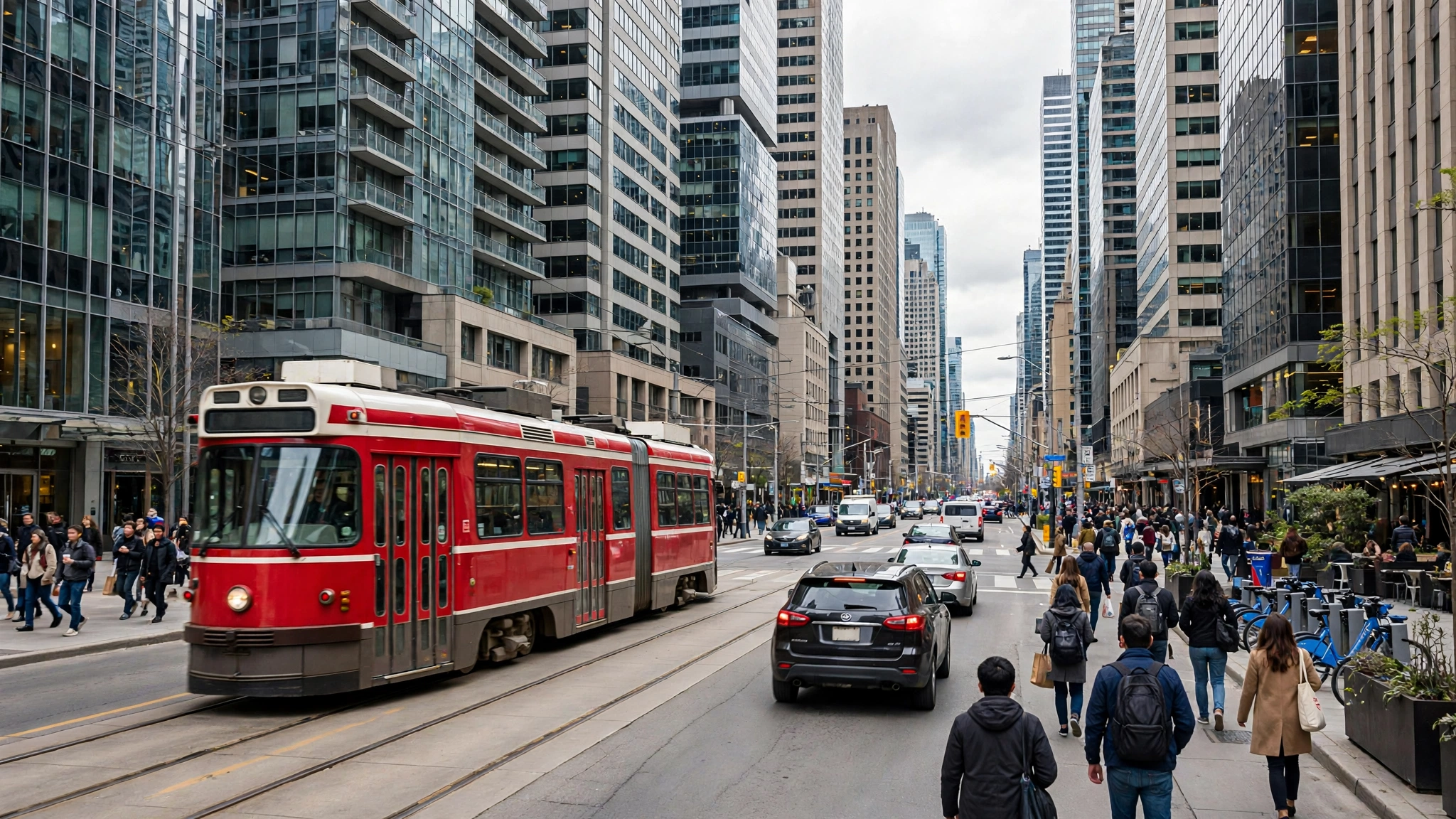
Free G1 Practice Test in Cantonese — Built for Cantonese-Speaking Drivers
This is an unofficial practice test for study purposes and is not affiliated with the Ontario Ministry of Transportation or DriveTest.
If Cantonese (廣東話) is the language you think in, you should not have to struggle through English study materials to earn your Ontario driver’s licence. Learning the signs in your own language lets you focus on what each sign means instead of translating English in your head.
The interactive test on this page was built for Cantonese-speaking learners across Ontario, from Markham and Scarborough’s Cantonese-speaking community to newcomers in every city. It has 50 practice questions using Ontario road signs, fully translated into 廣東話, with instant green/red feedback after every answer. Keep going until you can score 90% or higher — a comfortable margin above the 80% passing mark.
Once you’re comfortable with the signs, don’t forget the second half of the exam — our full 200-question G1 practice test covers the rules of the road as well.

What Is on the Ontario G1 Test?
The G1 knowledge test is a computer-based, multiple-choice exam taken at a DriveTest centre. It is not timed, and you get your result before you leave. Here is the exact format:
| Section | Questions | Score needed to pass |
|---|---|---|
| Road signs | 20 | 16/20 (80%) |
| Rules of the road | 20 | 16/20 (80%) |
The part most people underestimate: you must pass both sections independently. A perfect signs score will not save a weak rules section — so pair this page with our 200-question G1 practice test to cover the rules of the road too.
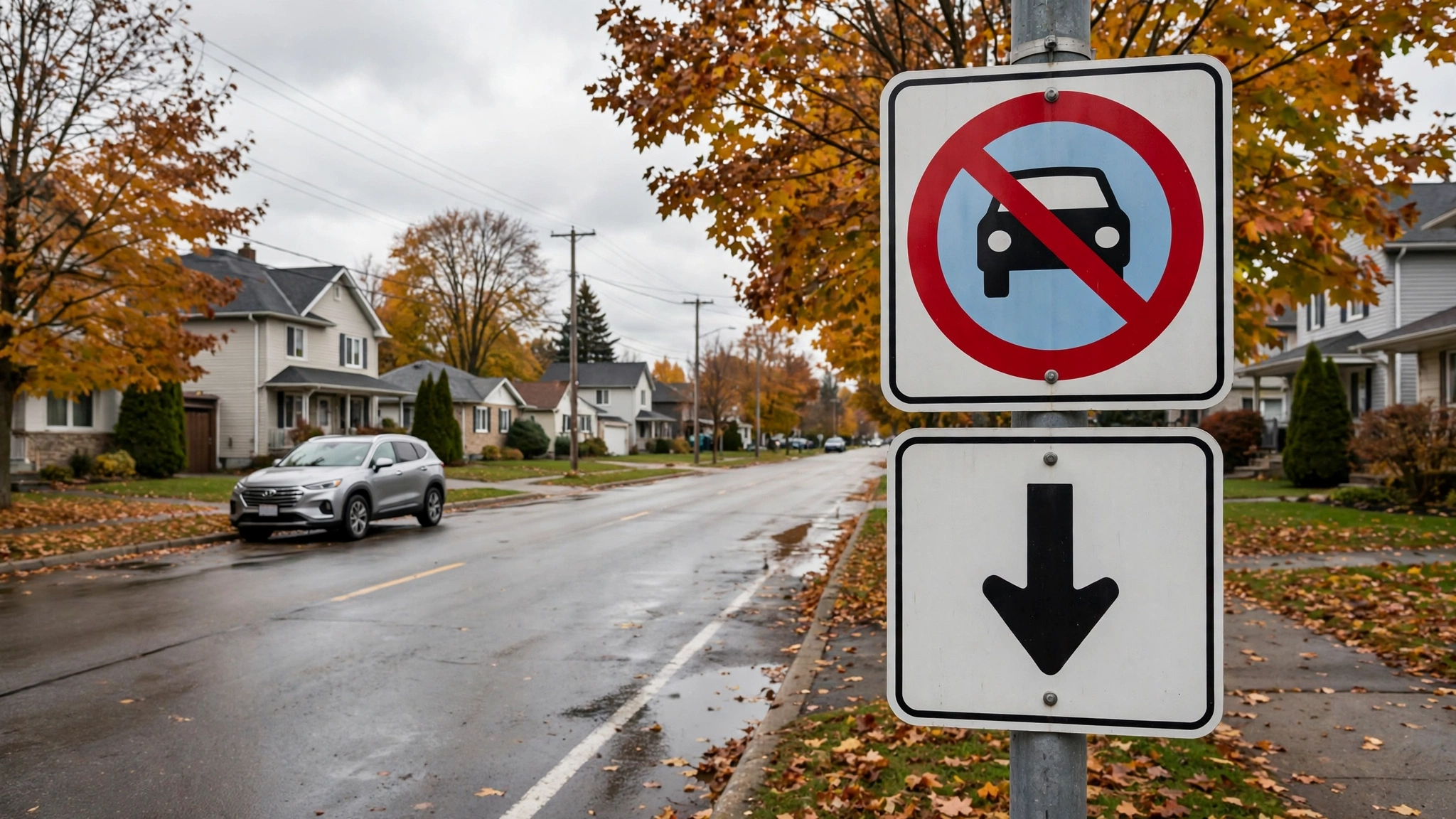
How to Use This Cantonese G1 Practice Test
- Look carefully at each sign image. Every question shows an Ontario traffic sign — the same style you will see at DriveTest.
- Click the answer you think is correct. A green highlight means you got it right; if you are wrong, your choice turns red and the correct answer turns green.
- Use “下一題 →” to move forward. You can also press “提交測驗” at any time to see your results early.
- Review your score report. You will see your total questions, attempted, correct, wrong, percentage, and a pass/fail verdict (80% to pass).
- Retake until you score 90%+. Hit “重新測驗” and run it again — repetition is what builds sign recognition.
5 Study Tips to Pass Your G1 Test on the First Try
- Study the handbook alongside this test. Read the MTO’s Official Driver’s Handbook in English or French alongside this test, so every sign meaning sticks in the language you know best. For offline review, you can also download our free G1 questions and answers PDF.
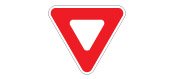
- Learn signs in families, not one by one. Regulatory signs (red circles, like stop and yield), warning signs (yellow diamonds, like curves), and information signs (green and blue) each follow visual patterns. Learn the family and half the question is already answered.
- Watch for “look-alike” pairs. The yield sign vs. the stop-sign-ahead sign, divided-highway-begins vs. divided-highway-ends, and the no-turn signs are classic traps — this test includes all of them.
- Do not ignore the rules section. Many learners ace the signs but stumble on rules about demerit points, blood-alcohol limits, and G1 restrictions (no 400-series highways, midnight–5 a.m. curfew). Cover both halves.
- Simulate test day. Sit somewhere quiet, put your phone away, and run all 50 questions without notes — DriveTest does not allow study materials or electronics in the test room.
Cantonese Speakers: G1 Test Strategies and Community Resources
Ontario’s Cantonese-speaking community — centred in Markham and Richmond Hill, with deep roots across the GTA — includes drivers from Hong Kong as well as Cantonese speakers from Guangdong. Your preparation should start by identifying which driving background you bring, because the adjustments differ.
If you learned to drive in Hong Kong, the fundamental shift is driving side: Hong Kong drives on the left, Ontario on the right. Every intersection diagram and turning question in the G1 test assumes right-side driving, so slow down on diagrams and verify travel direction before answering — most errors come from picturing the scene mirrored. If you learned on the mainland, you already drive on the right, but mainland habits around signals and lane discipline differ from Ontario’s, so don’t assume the rules transfer.
Several Ontario rules surprise Cantonese speakers from both backgrounds. Right turns on red — legal in Ontario after a complete stop — are not permitted in Hong Kong or on the mainland. Four-way stops, where all drivers stop and proceed in turn, have no real equivalent in either system. School buses are another critical difference: when a bus flashes red lights with its stop arm extended, traffic in both directions must stop. Study this until it is automatic.
The language question matters too. The DriveTest knowledge test is offered in Chinese, but Cantonese and Mandarin use different spoken forms — confirm with your local centre exactly which form the audio support uses, and take practice tests in the language you will actually use. Markham and Richmond Hill have many driving schools with Cantonese-speaking instructors who understand Hong Kong driving habits and know which of them cause G1 failures. Chinese cultural associations in the GTA also share newcomer licensing information.
Finally, winter: if you arrived from subtropical Hong Kong or Guangdong, snow and ice are entirely new. The test’s questions about black ice, winter following distances, and clearing snow from your vehicle describe situations you have never driven in — give those sections double the study time.
Why the Test Cares About Demerit Points
One more practical note: as a novice driver, even a single conviction can trigger a warning letter, so the careful habits you build while studying now directly protect your licence later.
New drivers often treat demerit points as trivia to memorize, but the test asks about them because they are central to keeping your licence. Ontario’s system assigns points for traffic convictions: speeding, running red lights, improper turns, and similar offences each carry a set number. As a G1 or G2 novice driver, your threshold is much lower than a fully licensed driver’s — accumulating too few points can trigger an interview or suspension that would never trouble an experienced motorist.
For the test itself, focus on three things. First, the escalating consequences: the system is designed so that repeat offences hurt more than single mistakes. Second, the novice-driver difference: know that G1 and G2 holders face stricter thresholds, because questions love contrasting the two. Third, the connection to insurance and record: convictions stay visible and affect what you pay to drive. You do not need to memorize the full point table — the test checks whether you understand the logic of the system, not whether you can recite every number.
Frequently Asked Questions About the G1 Test in Cantonese
Is the real G1 test available in Cantonese?
Study everything in Cantonese here first, then confirm the current language options at your local DriveTest centre when you book — the official test’s available languages can change. This page lets you study in 廣東話, so you can learn every sign in the language you understand best before taking the official test.
How many questions are on the Ontario G1 test?
The official test has 40 multiple-choice questions: 20 on road signs and 20 on rules of the road. This practice test has 50 sign questions for extra repetition.
What score do I need to pass the G1 test?
You need at least 16 out of 20 (80%) in each section. Failing one section means failing the whole test, even if you aced the other half.
What should I bring to the DriveTest centre?
Bring original identification showing your legal name and date of birth, plus your glasses or contact lenses if you need them to drive. The G1 licence package fee is $159.75, which covers the knowledge test, your first G2 road test, and a five-year licence. (Fees can change — check DriveTest for current amounts.) You must be at least 16 years old and an Ontario resident.
Can I take the G1 test online?
No — the knowledge test must be taken in person at a DriveTest centre (or the ServiceOntario Bay and College location in downtown Toronto, by appointment). Phones, notes, and study materials are not allowed inside.
What happens if I fail the G1 test?
You can pay the retest fee and try again — a knowledge-test retake currently costs $16 — and if you retake it within a year, you only rewrite the section you didn’t pass. It still pays to practice here until you’re consistently scoring above 80%. (Fees can change, so confirm current amounts at DriveTest when you book.)
Preparing with family or friends who prefer a different language? This same free 50-question test is also available in French, Spanish, Hindi, Finnish, Croatian, and Tigrinya.
For official information, see the MTO Driver’s Handbook, the official DriveTest handbooks page, and the DriveTest tests overview.
Want 300 More Practice Questions?
The Premium Question Bank gives you 6 full mock exams with a plain-language explanation for every answer. Instant PDF download, yours to keep.
Get the Question Bank – $9.99Original handbook-mapped questions. Not real DriveTest questions. No pass promises – just serious practice.