
Ontario G1 Practice Test in Turkish – 50 Free Questions
Free G1 Practice Test in Turkish — Built for Turkish-Speaking Drivers in Ontario
This is an unofficial practice test for study purposes and is not affiliated with the Ontario Ministry of Transportation or DriveTest.
If Turkish is your first language, studying in English can feel like twice the work: you are learning Ontario’s road rules while also translating every sentence. This page removes that barrier — every question is fully translated into Türkçe, so you can focus on the signs themselves.
The interactive test above was designed with Ontario’s Turkish-speaking community in mind, from newcomers settling into Toronto’s Turkish community to students working toward their first Ontario licence. It contains 50 practice questions using Ontario road signs, fully translated into Turkish, with instant green/red feedback after every answer. Practice until you consistently score 90% or higher — safely above the 80% needed on each section.
Once you’re comfortable with the signs, don’t forget the second half of the exam — our full 200-question G1 practice test covers the rules of the road as well.

What Is on the Ontario G1 Test?
The G1 knowledge test is a computer-based, multiple-choice exam taken at a DriveTest centre. It is not timed, and you get your result before you leave:
| Section | Questions | Score needed to pass |
|---|---|---|
| Road signs | 20 | 16/20 (80%) |
| Rules of the road | 20 | 16/20 (80%) |
The part most people underestimate: you must pass both sections independently. A perfect score on road signs will not save a weak rules section. This page focuses on signs — pair it with our 200-question G1 practice test to cover the rules of the road too.
How to Use This Turkish G1 Practice Test
- Look carefully at each sign image. Every question shows a real Ontario traffic sign — the same style you will see at DriveTest.
- Click the answer you think is correct. A green highlight means you got it right; if you are wrong, your choice turns red and the correct answer turns green.
- Use “Sonraki soru” to move forward, or press “Testi bitir” at any time to see your results early.
- Review your score report: total, attempted, correct, wrong, percentage, and a pass/fail verdict (80% to pass).
- Retake until you score 90%+. Hit “Testi tekrarla” and run it again — repetition builds sign recognition.
5 Study Tips to Pass Your G1 Test on the First Try
- Study the handbook alongside these questions. The MTO’s Official Driver’s Handbook, published in English and French, is what the knowledge test is based on. Read it in your strongest language, then reinforce what you learn here in Türkçe. For offline review, you can also download our free G1 questions and answers PDF.
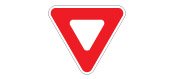
- Learn signs in families, not one by one. Regulatory signs (red circles and octagons, like stop and yield), warning signs (yellow diamonds, like curves and slippery roads), and information signs (green and blue) follow visual patterns. Learn the family and half the question is already answered.
- Watch for “look-alike” pairs. Yield vs. stop-ahead warning, divided-highway-begins vs. divided-highway-ends, and the various no-turn signs are classic traps. This test includes all of them.
- Do not ignore the rules section. Turkish-speaking test takers often ace the signs and stumble on rules about demerit points, blood-alcohol limits, and G1 restrictions (no 400-series highways, midnight–5 a.m. curfew).
- Simulate test day. Sit somewhere quiet, put your phone away, and run all 50 questions without notes — DriveTest does not allow study materials or electronics in the testing room.
Turkish Drivers in Ontario: Passing the G1 Knowledge Test
Turkish speakers in Ontario — many living in Toronto, North York, and Mississauga — usually arrive with solid driving experience, since Turkey has a well-developed licensing system and Vienna Convention road signs. That background helps with sign recognition, but it also creates blind spots: several Ontario rules work differently from their Turkish equivalents, and confident drivers are the ones most likely to skip studying them.
The right turn on red is the biggest adjustment. In Turkey, turning right on red is not permitted — you wait for green. In Ontario, you may turn right on a solid red after coming to a complete stop and yielding to pedestrians and traffic, unless a sign prohibits it. G1 questions test this rule relentlessly, and Turkish drivers who answer from habit get it wrong. Four-way stops are the second trap: Turkish intersections are governed by signs, signals, and the yield-to-the-right rule, so the all-way stop — everyone stops, everyone takes turns — needs deliberate practice.
Winter deserves respect even from drivers used to Anatolian snow. Ontario’s test asks about black ice, following distances on snow-covered roads, and the requirement to clear snow from the entire vehicle — review these rather than assuming your experience covers them. The demerit point system also differs from Turkish penalties: Ontario assigns points for convictions, and novice drivers face suspension thresholds, so study what each violation costs.
Turkish cultural associations and community centres in the GTA are useful hubs for newcomer information, and several driving schools in North York and Mississauga employ Turkish-speaking instructors who know exactly which Turkish habits cause test failures. The DriveTest knowledge test is offered in multiple languages — confirm Turkish availability at your local centre. One last tip: if you hold a valid Turkish licence, research Ontario’s licence exchange options before booking, since experienced drivers may qualify for an accelerated path.
Your Test-Day Checklist
Preparation beats nerves every single time.
And remember the golden rule of multiple choice: when two answers both look right, pick the one that prioritizes safety. The test is written so the safest option is almost always the correct one.
The morning of your knowledge test should be boring on purpose. Lay out your identification documents the night before and double-check that names and dates match across them. Eat a normal meal, bring water, and plan to arrive at the DriveTest centre at least 30 minutes early. Rushing through traffic to make your appointment is the worst possible warm-up for a concentration test, and lateness stress is a known score-killer.
At the centre, you will check in, have your documents reviewed, and take a vision screening before the knowledge test begins. The test itself is computerized at most centres: 40 multiple-choice questions, 20 on signs and 20 on rules, with no strict per-question timer breathing down your neck. Use that to your advantage. Read each question twice, eliminate the obviously wrong answers first, and flag nothing — just answer steadily. If a question confuses you, move on mentally and come back; later questions sometimes jog the memory. When you finish, you get your result immediately. Pass, and you walk out with a G1 licence the same day.
Frequently Asked Questions About the G1 Test in Turkish
Is the real G1 test available in Turkish?
Study everything in Turkish here first — this page lets you study in Türkçe, a comfortable way to learn the material in your own language — then confirm the current language options at your local DriveTest centre when you book. The official test’s available languages can change.
How many questions are on the Ontario G1 test?
The real test has 40 multiple-choice questions: 20 on road signs and 20 on rules of the road. This practice test has 50 sign questions for extra repetition.
What score do I need to pass the G1 test?
You need at least 16 out of 20 (80%) in each section. Failing one section means failing the whole test, even if you aced the other half.
What should I bring to the DriveTest centre?
Bring original identification showing your legal name and date of birth, plus your glasses or contact lenses if you need them to drive. The G1 licence package fee is $159.75, which covers the knowledge test, your first G2 road test, and a five-year licence. (Fees can change — check DriveTest for current amounts.) You must be at least 16 and an Ontario resident.
Can I take the G1 test online?
No. It must be taken in person at a DriveTest centre (or the ServiceOntario Bay and College location in downtown Toronto, by appointment). Phones, notes, and study materials are not allowed in the testing room.
What happens if I fail the G1 test?
You can pay the retest fee and try again — a knowledge-test retake currently costs $16 — and if you retake it within a year, you only rewrite the section you didn’t pass. It still pays to practice here until you’re consistently scoring above 80%. (Fees can change, so confirm current amounts at DriveTest when you book.)
Preparing with family or friends who prefer a different language? This same free 50-question test is also available in French, Spanish, Hindi, Armenian, Tamil, and Korean.
For official information, see the MTO Driver’s Handbook, the official DriveTest handbooks page, and the DriveTest tests overview.
Want 300 More Practice Questions?
The Premium Question Bank gives you 6 full mock exams with a plain-language explanation for every answer. Instant PDF download, yours to keep.
Get the Question Bank – $9.99Original handbook-mapped questions. Not real DriveTest questions. No pass promises – just serious practice.