
G1 Practice Test in Punjabi (50 Free Questions)
You can also try the Ontario G1 practice test in English.
Free G1 Practice Test in Punjabi — Built for Punjabi-Speaking Drivers
This is an unofficial practice test for study purposes and is not affiliated with the Ontario Ministry of Transportation or DriveTest.
Ontario is home to a large Punjabi-speaking community — from Brampton’s Punjabi community to newcomers and students across the province — and if Punjabi is the language you think in, you should not have to wrestle with English-only study materials to earn your driver’s licence. The interactive test above was built for Punjabi-speaking learners: 50 practice questions using Ontario road signs, fully translated into ਪੰਜਾਬੀ, with instant green/red feedback. Study each sign, pick your answer, and keep going until you can score 90% or higher on a consistent basis.

What Is on the Ontario G1 Test?
The G1 knowledge test is a computer-based, multiple-choice exam taken at a DriveTest centre. It is not timed — most people finish in 20 to 30 minutes — and you get your result before you leave. Here is the exact format:
| Section | Questions | Score needed to pass |
|---|---|---|
| Road signs | 20 | 16/20 (80%) |
| Rules of the road | 20 | 16/20 (80%) |
The part most people underestimate: you must pass both sections independently. A perfect score on road signs will not save a weak rules section. That is why this page focuses on signs — pair it with our 200-question G1 practice test to cover the rules of the road too.
How to Use This Punjabi G1 Practice Test
- Look carefully at each sign image. Every question shows an Ontario traffic sign in the same style you will see at DriveTest.
- Click the answer you think is correct. A green highlight means you got it right; if you are wrong, your choice turns red and the correct answer turns green.
- Use “ਅਗਲਾ ਸਵਾਲ” to move forward. You can also press “ਟੈਸਟ ਜਮ੍ਹਾ ਕਰੋ” at any time to see your results early.
- Review your score report: total questions, attempted, correct, wrong, percentage, and a pass/fail verdict (80% to pass).
- Retake until you score 90%+. Hit “ਟੈਸਟ ਦੁਬਾਰਾ ਦਿਓ” and run it again — repetition is what builds sign recognition.
5 Study Tips to Pass Your G1 Test on the First Try
- Read the official handbook too. The MTO publishes its official driver’s handbook in English and French — study these Punjabi questions alongside it so the sign meanings stick even when the wording on test day differs.
- Learn signs in families, not one by one. Regulatory signs (red circles and octagons, like stop and yield), warning signs (yellow diamonds, like curves and slippery roads), and information signs (green and blue) each follow visual patterns. Once you know the family, half the question is already answered.
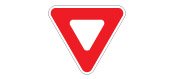
- Watch for “look-alike” pairs. The yield sign vs. the stop sign ahead, the divided-highway-begins vs. divided-highway-ends signs, and the various no-turn signs are classic traps. Our test includes all of them.
- Do not ignore the rules section. Punjabi-speaking test takers often ace the signs and stumble on rules about demerit points, blood-alcohol limits, and G1 restrictions (no 400-series highways, midnight–5 a.m. curfew). Cover both halves.
- Simulate test day. Sit somewhere quiet, put your phone away, and run through all 50 questions without notes — the test room at DriveTest does not allow study materials or electronics.
Brampton’s Punjabi Drivers: How to Pass the G1 on Your First Attempt
If you live in Brampton, you already know: this city runs on Punjabi. From the gurdwaras on The Gore Road to the plazas along Queen Street, from trucking yards to Tim Hortons drive-thrus, Punjabi is the language of daily life for hundreds of thousands of residents. Ontario is home to one of the largest Punjabi diasporas in the world, and for the newcomers arriving every month — students, workers, families sponsoring parents and grandparents — a driver’s licence is usually priority number one. It means access to jobs beyond the bus routes, independence for elders, and the freedom to visit family across the GTA. This section is written for the Punjabi-speaking community specifically, because your path to the G1 has challenges — and advantages — that deserve straight talk.
Let us start with the challenge every Punjabi driver trained in India or Pakistan must confront: you learned to drive on the left, and Ontario drives on the right. This is not a small detail; it rewires every instinct you have. Your muscle memory will try to turn into the wrong lane. At roundabouts, your gut will pull you clockwise when Ontario traffic flows counter-clockwise. When you imagine an intersection, flip the mental image: you sit on the left side of the car, and you keep right. Brampton’s Punjabi-speaking driving instructors deal with this every single day, and their advice is consistent — the switch takes conscious practice, not just knowledge. When you take the practice test above, do not merely pick answers; close your eyes for three seconds per question and visualize the manoeuvre from the driver’s seat. Students who do this pass faster than students who only memorize.
The second challenge is unlearning old road habits. Anyone who has driven in Ludhiana, Jalandhar, Amritsar, or Lahore knows the style: assertive, horn-heavy, flexible about lane markings, creative about what a stop sign means. Ontario is the opposite in every way, and the G1 test is specifically designed to check whether you have absorbed the difference. Stop signs demand a complete stop — every time, no exceptions, even on empty roads at night. Tailgating is treated as genuinely dangerous, not normal. The horn is for emergencies, not communication. Pedestrians at crosswalks have absolute priority, and school buses with flashing red lights require a full stop in both directions unless the road is divided by a median. These are not suggestions; they are among the most-tested concepts on the exam, and they are the exact habits a G2 examiner will watch for later. Treat the G1 as the moment you start driving like an Ontarian, not the moment you prove you could drive back home.
Third comes winter — and this one surprises people. A large portion of G1 questions involve rain, snow, ice, fog, and reduced visibility. If you arrived from Punjab recently, you may never have driven on snow in your life, yet you are expected to know how stopping distances multiply on ice, what black ice is, why you increase following distance in falling snow, and how to handle a skid. Study this material with extra care, because it is both heavily tested and genuinely life-saving on the 401 in January. Better still, schedule some of your in-car driving lessons for the colder months so a professional can demonstrate winter technique rather than leaving you to imagine it.
Now the advantages — and they are significant. No community in Ontario has more Punjabi-speaking, MTO-approved driving schools than the Brampton–Mississauga corridor. You can take lessons from an instructor who explains every rule in Punjabi, who understands exactly which habits you need to unlearn, and who knows the local DriveTest routes. Ask at your gurdwara — the community notice boards and Sunday conversations are how most families find instructors they trust. Settlement organizations such as Punjabi Community Health Services in Brampton, along with the broader newcomer agencies across Peel Region, help families with everything from health cards to licensing paperwork, and many employ Punjabi-speaking workers who have guided thousands of newcomers through the DriveTest process.
A practical planning note: neither India nor Pakistan currently has a reciprocal licence exchange agreement with Ontario, so expect to earn your licence through the graduated system — the G1 knowledge test first, then the G2 road test, then the full G licence. (Agreements occasionally change, so confirm at a DriveTest centre, but plan your time around the full path.) One piece of good news for experienced drivers: if you can document sufficient driving history from back home, you may be able to shorten the waiting periods between stages — bring an official driving record or licence history letter when you apply, and ask the DriveTest staff about authentication requirements.
Language strategy matters as much as study hours. Learn every concept deeply in Punjabi using this page, but deliberately master the English road vocabulary too — yield, merge, detour, shoulder, right of way — because Ontario’s signs are in English and the test questions use these exact words. Keep a small notebook: Punjabi explanation on one side, English term on the other. In many Punjabi households, G1 preparation becomes a family project — grandparents, parents, and teenagers quizzing each other at the dinner table. Lean into that. The family that argues about four-way-stop right-of-way until everyone can recite it is the family where everyone passes.
Your final formula is simple: run the 50-question practice test above until you score above 90% every single time — that ten-point cushion above the 80% passing mark absorbs test-day nerves. Book a morning appointment at the DriveTest centre when your mind is fresh, bring all required identification, arrive early, and read each question twice since the test is not timed. Thousands of Punjabi speakers from your own neighbourhood pass this test every year. With honest preparation, you will be one of them — and the independence of that licence will change your daily life in Ontario.
Frequently Asked Questions About the G1 Test in Punjabi
Is the real G1 test available in Punjabi?
The official G1 knowledge test is offered in 20+ languages at most DriveTest centres (paper versions are English/French only). This page lets you study all 50 practice questions in ਪੰਜਾਬੀ so you fully understand every sign before test day. Language options can vary, so confirm them with your local DriveTest centre before you go.
How many questions are on the Ontario G1 test?
The knowledge test has 40 multiple-choice questions: 20 on road signs and 20 on rules of the road. This practice test has 50 sign questions to give you extra repetition on the section most people find trickiest.
What score do I need to pass the G1 test?
You need at least 16 out of 20 (80%) in each section. Failing one section means failing the whole test, even if you aced the other half.
What should I bring to the DriveTest centre?
Bring original identification showing your legal name and date of birth, plus your glasses or contact lenses if you need them to drive. You must be at least 16 years old and an Ontario resident.
Can I take the G1 test online?
No. The knowledge test must be taken in person at a DriveTest centre (or the ServiceOntario Bay and College location in downtown Toronto, by appointment). Phones, notes, and study materials are not allowed in the testing room.
What happens if I fail the G1 test?
You can pay the retest fee and try again — and if you retake it within a year, you only rewrite the section you didn’t pass. It still pays to practice here until you’re consistently scoring above 80% first.
More Free G1 Practice Tests in Your Language
Preparing with family or friends who prefer another language? We offer the same free G1 practice tests in:
- Ontario G1 Practice Test in Arabic
- Ontario G1 Practice Test in French
- Ontario G1 Practice Test in Armenian
- G1 Practice Test — 200 Questions (English)
- G1 Test Questions and Answers PDF (Free Download)
For official information, see the MTO Driver’s Handbook, the official DriveTest handbooks page, and the DriveTest tests overview (all tests are available in English or French).
Want 300 More Practice Questions?
The Premium Question Bank gives you 6 full mock exams with a plain-language explanation for every answer. Instant PDF download, yours to keep.
Get the Question Bank – $9.99Original handbook-mapped questions. Not real DriveTest questions. No pass promises – just serious practice.