
G1 Practice Test 200 Questions (Free) No Sign-up Needed
Ontario G1 Practice Test — 200 Questions
Practice first 100 questions out of 200. The test contains images. Start learning Ontario road signs with this free 100-question image-based G1 practice test.
Prepare for your Ontario G1 knowledge test with 200 free practice questions covering road signs, rules of the road and safe driving knowledge. Get instant feedback and see your final score when you finish.
100 G1 Knowledge Questions
Test your knowledge of Ontario road rules, safe driving, traffic signals, licensing requirements, parking, freeways, emergency situations and more.
G1 Practice Test 200 Questions - Build the Knowledge You Need for Ontario
Preparing for the Ontario G1 test is easier when you do more than read a handbook. You need to recognize road signs, understand traffic rules, and know what to do in common driving situations. A simple routine works well: learn, practise, check your mistakes, and repeat the areas that need more study.
This free G1 practice resource helps you test your knowledge of Ontario road signs, traffic signals, rules of the road, safe driving, right-of-way, parking, lane changes, and other important topics. If you are looking for G1 practice test 200 questions, use a large question bank as a learning tool—not a race to finish as fast as possible.
The official Ontario Driver’s Handbook is the key study source for the G1 knowledge test. DriveTest explains that knowledge tests are multiple choice, are based on the official driver’s handbook, and are marked on the spot. The official test is taken at a DriveTest Centre, while an online practice test is a study tool to help you prepare.
1. What You Should Study for the Ontario G1 Test
A strong study plan should cover more than a short list of road signs. Ontario driving knowledge includes signs and signals, right-of-way, safe driving practices, emergency situations, pedestrians, cyclists, school buses, highways, parking, passing, and other rules of the road.
Think of each topic as one piece of the same picture. A road sign tells you something. A traffic rule tells you how to respond. Safe driving means using that information at the right time.
- Road signs: Learn what warning, regulatory, information, and temporary-condition signs mean.
- Traffic signals: Understand traffic lights and other signals and know how drivers should respond.
- Rules of the road: Practise intersections, yielding, turns, lane changes, passing, and sharing the road.
- Safe driving: Review speed, following distance, visibility, stopping, hazards, and defensive driving decisions.
- Driver responsibilities: Study seatbelts, impaired driving rules, demerit points, licence suspensions, collision reporting, and emergency vehicles.
When you practise, do not only ask, “What was the correct answer?” Ask, “Why is that answer correct?” Understanding the reason makes the information easier to remember when a question is worded differently.


2. Why Practice Questions Help You Learn
Reading gives you information, but answering questions forces you to use it. That is why practice tests are useful. They show whether you can recognize a rule when it appears in a new question.
A question may ask you to identify a sign, choose who has the right-of-way, or decide what a driver should do. This helps reveal gaps in your understanding before test day.
Our free Ontario G1 practice test gives you a place to practise and review your results. Take your time with each question. If you answer incorrectly, read the explanation and return to the related topic in the handbook.
If you are working toward a larger goal such as 200 G1 practice questions, avoid rushing through all of them just to reach the end. A better method is to practise in manageable groups and keep track of the subjects that cause the most mistakes.
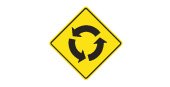
3. Road Signs You Should Know Before Test Day
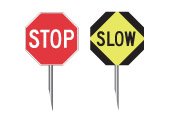
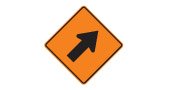
Road signs are a major part of Ontario driver knowledge. You should be able to look at a sign and quickly understand the message it gives you.
Start by learning the difference between signs that warn, signs that control what drivers may do, and signs that provide information. Then practise signs that are easy to confuse, such as lane-control signs, construction signs, parking restrictions, school-zone signs, and directional signs.
Do not memorize a picture without learning its meaning. Ask yourself:
- What does the sign tell me?
- What action or response is expected from me?
- What hazard or traffic situation is the sign helping me prepare for?
4. Rules of the Road: Focus on Understanding, Not Guessing
Rules-of-the-road questions can feel difficult because several answers may sound reasonable. Learn the rule first, then apply it to the situation.
Pay close attention to right-of-way, intersections, turns, lane changes, passing, parking, stopping, highway driving, pedestrians, and cyclists. Safe driving also means knowing when to slow down, yield, stop, or wait.
When reviewing a wrong answer, avoid simply memorizing the correct letter. Write down the rule in plain language. For example: “I must yield here because the other road user has the right-of-way.” Simple notes are easier to review later than long paragraphs.
5. How to Use a 100- or 200-Question G1 Practice Routine
A large question bank exposes you to different ways a topic can be tested. But more questions do not automatically mean better preparation. Your goal is to improve with every session.
- Take a practice set: Answer the questions without looking up every answer.
- Record your mistakes: Notice whether you struggle with signs, right-of-way, parking, safety, or another topic.
- Review the rule: Use the official handbook to understand the topic behind the question.
- Practise again: Return to questions on the same subject after studying it.
- Repeat until confident: Your goal is consistent understanding, not one lucky high score.
If you are searching for a G1 practice test 200 questions, think of the question count as a study resource rather than a race. A careful 20-question session where you understand every mistake can be more useful than rushing through 100 questions without reviewing anything.
Ready for More Fresh Questions?
When you finish studying this page, continue with our main Ontario G1 practice test for another set of questions and more hands-on practice.
Take the Free G1 Practice Test6. Use Reliable Sources Before Your Ontario G1 Test
Online practice is helpful, but it should support—not replace—the official study material. The Ontario Driver’s Handbook is the primary reference for studying for the G1 licence. DriveTest also states that knowledge-test questions are based on the official driver’s handbook.
For reliable preparation, compare online information with current Ontario and DriveTest information. Rules and procedures can change, so do not rely on an old screenshot, social media post, or random question bank as your only source.
You can also explore additional G1 study resources at G1.ca and use the G1 Drivers Test Ontario app on Apple devices or Android devices.
7. Simple G1 Test-Day Study Tips
The day before your test is not the time to learn everything from zero. Use it to review what you studied and refresh the areas where you make mistakes.
- Review the official handbook and your mistake list.
- Practise road signs until their meanings feel familiar.
- Read each practice question carefully instead of rushing.
- Pay attention to words such as must, may, always, and only.
- Get enough sleep so you can concentrate.
- Check current DriveTest information before going to the test centre.
8. Keep Practising Until the Answers Make Sense
A good G1 preparation plan is steady: learn from the handbook, practise, review mistakes, and repeat the topics that need work. A low practice score is feedback—not a final result.
Use each test to answer one important question: What do I understand well, and what do I need to study next? If you can answer that after every practice session, you are turning practice into real learning.
When you are ready, start with the free Ontario G1 practice test, check your results, and keep building your knowledge one question at a time.
Important: This website is an independent study and practice resource. It is not affiliated with, endorsed by, or operated by the Ontario Ministry of Transportation or DriveTest. Always use current official Ontario and DriveTest information for official test requirements and procedures.